

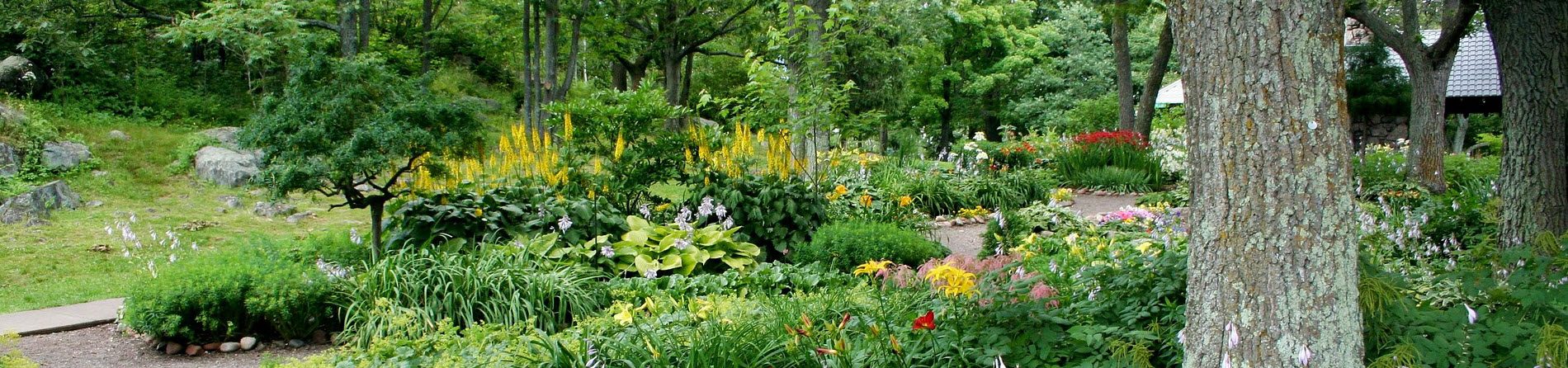

Living near the coast offers beautiful views and fresh sea air, but it also brings unique challenges for maintaining a healthy lawn. Montauk and East Hampton homeowners often face problems that inland lawns rarely encounter. Understanding these issues and how to fix them can help you enjoy a lush, green yard year-round. Today, we at Mickey’s LawnScapes would like to share common lawn problems in coastal areas and how to fix them
Salt Damage
Coastal winds can carry salt from the ocean, which settles on your grass and soil. High salt levels can cause browning, stunted growth, and even death of grass. To fix salt damage, flush the lawn with fresh water regularly to dilute salt concentrations. Choosing salt-tolerant grass varieties, such as tall fescue or Bermuda grass, can also improve resilience in salty environments. Regularly rinsing sidewalks and driveways can prevent salt from spreading onto the lawn, too.
Sandy Soil
Many coastal properties have sandy soil, which drains quickly and doesn’t retain nutrients well. This can lead to weak root systems and patchy grass. To combat this, regularly add organic matter such as compost or peat moss to improve soil structure and nutrient retention. Fertilizing with slow-release granular fertilizers designed for sandy soils also helps your lawn thrive. Testing your soil periodically ensures you provide the right nutrients for optimal growth.
Heavy Foot Traffic
Beaches, boardwalks, and outdoor activities mean coastal lawns often endure heavy foot traffic, which compacts soil and damages grass. Aerating your lawn in the spring and fall can relieve compaction, allowing air, water, and nutrients to reach the roots. Consider adding stepping stones or designated paths to protect high-traffic areas. Rotating the use of outdoor spaces or adding mulch in problem spots can also reduce wear and tear.
Pests & Disease
Coastal climates with high humidity can create ideal conditions for pests and diseases, such as grubs, fungal infections, and moss. Regularly inspecting your lawn for signs of pests or disease is essential. Treat infestations early with appropriate organic or chemical solutions and maintain proper lawn care practices, including mowing at the correct height, watering deeply but infrequently, and removing thatch buildup. A healthy lawn is naturally more resistant to both pests and diseases.
Uneven Sun Exposure
Many coastal properties have open spaces, trees, or structures that create uneven sunlight, leading to patchy growth. Grass in shaded areas may grow thin, while sunny spots may dry out. Select grass varieties suited to shade or partial sun and adjust your watering schedule to ensure all areas receive adequate moisture. Strategic planting of trees and shrubs can also help balance sunlight and protect the lawn from harsh coastal winds.
Landscape Design & Construction, Lawn Maintenance & More in Amagansett, Aquebogue, Baiting Hollow, Calverton, Cutchogue, East Hampton, East Hampton North, Greenport, Jamesport, Laurel, Montauk, Nassau Point, Northville, Northwest Harbor, Riverhead, Shelter Island, Southold, Springs, Wading River, Westhampton Beach in East End of Long Island, New York
While coastal environments present challenges, proactive lawn care can prevent and fix most problems. Working with local landscaping professionals ensures your lawn receives the right combination of soil treatment, irrigation, fertilization, and pest control specific to Montauk and East Hampton conditions. Regular maintenance and attention to the unique challenges of coastal living will keep your yard healthy, green, and beautiful all year long. Partnering with a trusted lawn care service also saves time, prevents costly mistakes, and ensures your outdoor space remains the envy of your neighborhood. Reach out to Mickey’s LawnScapes for superior lawncare services and more.
