

When planning an outdoor space, homeowners often hear the terms landscaping and hardscaping used together. While they work hand in hand to create a beautiful and functional yard, they refer to two very different elements of outdoor design. Understanding the difference between landscaping and hardscaping can help you make smarter decisions when upgrading your property and ensure your outdoor space meets both aesthetic and practical needs. We at Mickey’s LawnScapes would like to help our readers understand the difference between hardscaping and landscaping projects.
What is Landscaping?
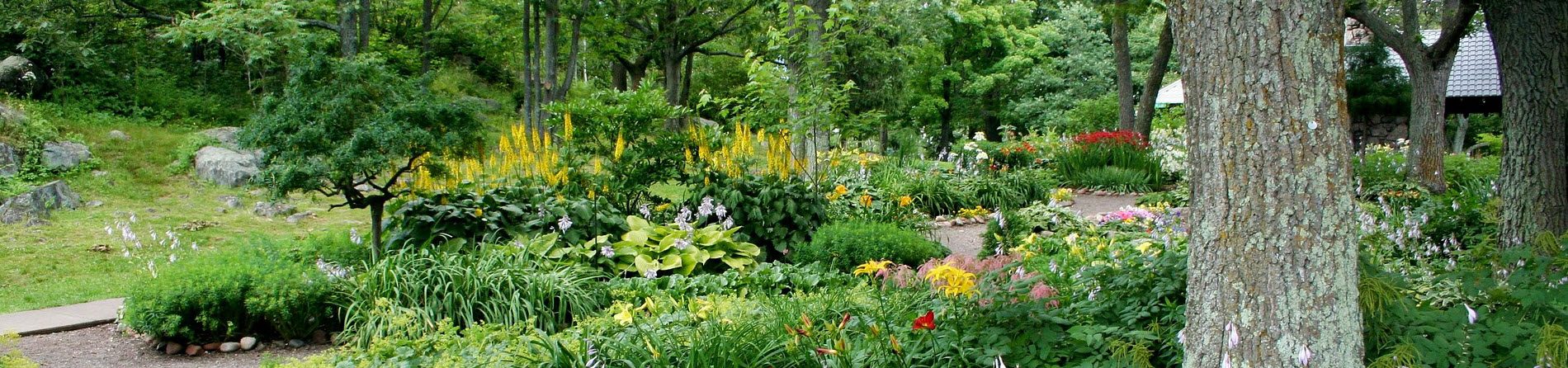
Landscaping, sometimes called softscaping, refers to the living, organic components of your outdoor environment. This includes grass, trees, shrubs, flowers, plants, soil, and mulch. Landscaping is what gives a yard its natural beauty, color, and movement. A well-designed landscape enhances curb appeal, improves air quality, supports local wildlife, and creates a welcoming atmosphere around your home or business.
The Environmental Benefits of Landscaping
Landscaping plays an important role in environmental health. Trees and plants provide shade, reduce erosion, and help manage stormwater runoff. Lawns and garden beds absorb rainwater, reducing the risk of flooding and soil displacement. Thoughtful plant selection, such as choosing native or drought-tolerant plants, can reduce water usage and lower long-term maintenance costs. Because landscaping involves living materials, it requires ongoing care such as mowing, pruning, fertilizing, watering, and seasonal cleanups.
What is Hardscaping?
Hardscaping refers to the non-living, structural elements of an outdoor space. These are the permanent features made from materials like concrete, stone, brick, wood, or metal. Common hardscaping elements include patios, walkways, driveways, retaining walls, fire pits, outdoor kitchens, decks, and pergolas. Hardscaping provides structure, defines spaces, and adds functionality to your yard.
The Practical Advantages of Hardscaping
One of the biggest advantages of hardscaping is durability. Unlike plants that change with the seasons, hardscape features are built to last and require minimal maintenance. Hardscaping helps control erosion, manage drainage issues, and create usable outdoor living areas. For example, a retaining wall can stabilize sloped land, while a paved patio creates a comfortable space for entertaining guests.
Key Differences Between Landscaping & Hardscaping
The main difference between landscaping and hardscaping lies in their materials and purpose. Landscaping focuses on natural beauty and environmental benefits, while hardscaping emphasizes structure, usability, and long-term stability. Both serve important roles, but relying too heavily on one can create an unbalanced outdoor space.
Why a Balanced Approach Works Best
The most successful outdoor designs combine landscaping and hardscaping in harmony. Plants soften the look of stone and concrete, while walkways and patios protect landscaping from foot traffic. This balance creates outdoor spaces that are attractive, practical, and easy to maintain.
Landscape Design & Construction, Lawn Maintenance & More in Amagansett, Aquebogue, Baiting Hollow, Calverton, Cutchogue, East Hampton, East Hampton North, Greenport, Jamesport, Laurel, Montauk, Nassau Point, Northville, Northwest Harbor, Riverhead, Shelter Island, Southold, Springs, Wading River, Westhampton Beach in East End of Long Island, New York
Landscaping and hardscaping are distinct yet complementary components of outdoor design. Landscaping brings life and natural beauty, while hardscaping adds structure and functionality. Understanding the difference allows homeowners to create outdoor spaces that are visually appealing, functional, and built to last. Reach out to Mickey’s LawnScapes when you need landscaping and hardscaping services!
